

Customer
MaxxaRole in the project
UX Designer, UI Designer & UX WriterResearch and Analysis
Analysis of existing platforms User experience analysis Value proposition analysis Information architecture analysis BenchmarkDesign Methodologies
Information Architecture Progressive unification Interaction DesignDevelopment and Technologies
Prototyping in Figma Creation of a Design System Interaction developmentYear
2023Three platforms. One single experience.
My role: unify without breaking what already worked.
When Maxxa acquired ERPyme, the challenge went beyond design — it was strategic. Their customers navigated between platforms with different visual identities and two separate logins. A complete redesign was too risky. The goal was to create a central hub that unified the experience, standardized the UI, and added real value without disrupting users' daily operations.
Results
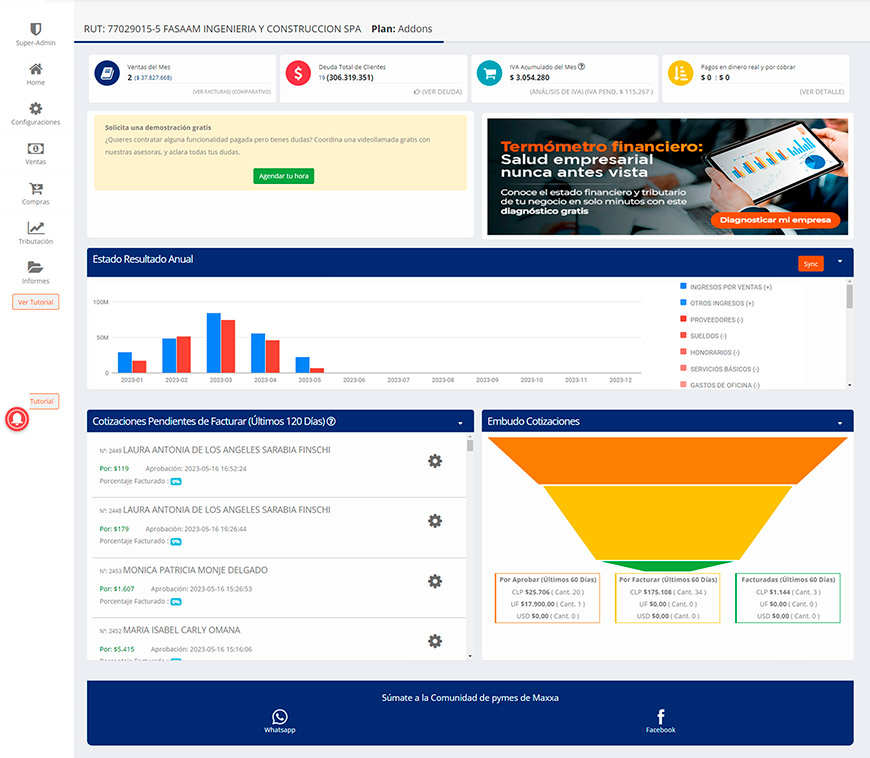
Divergent platforms
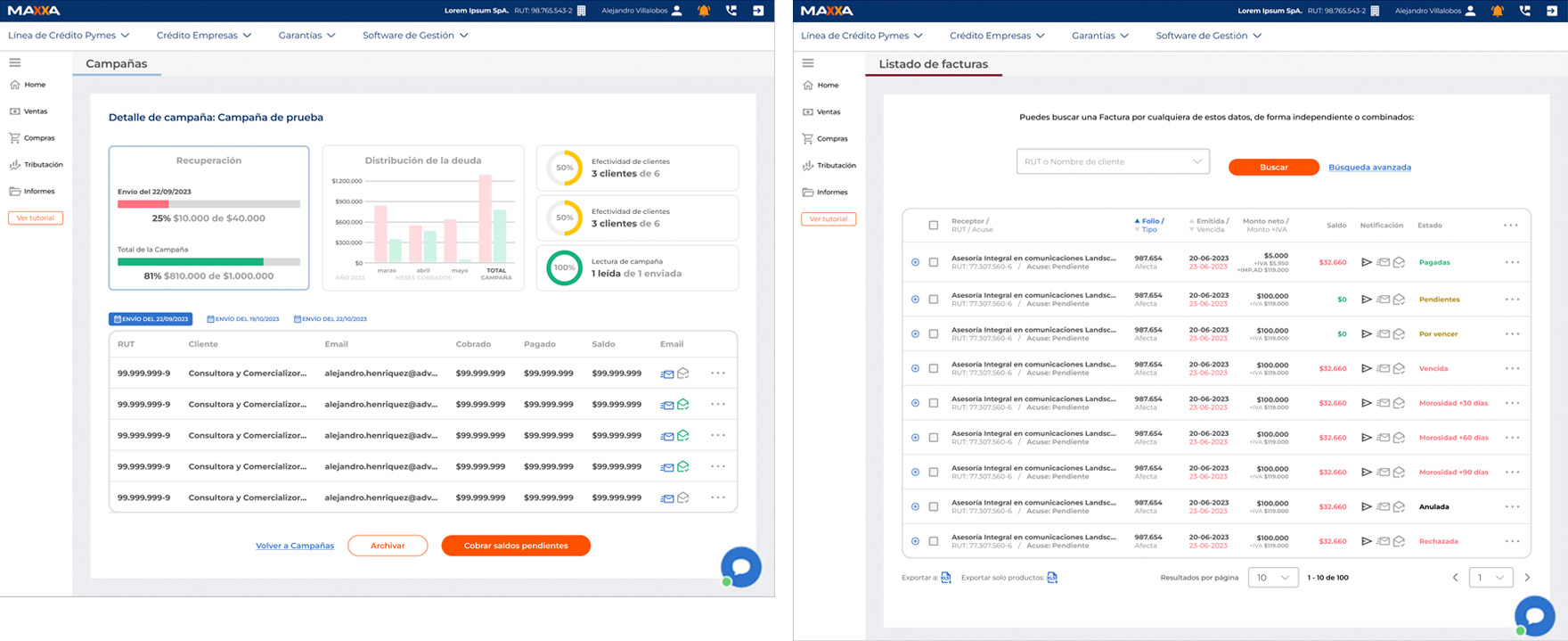
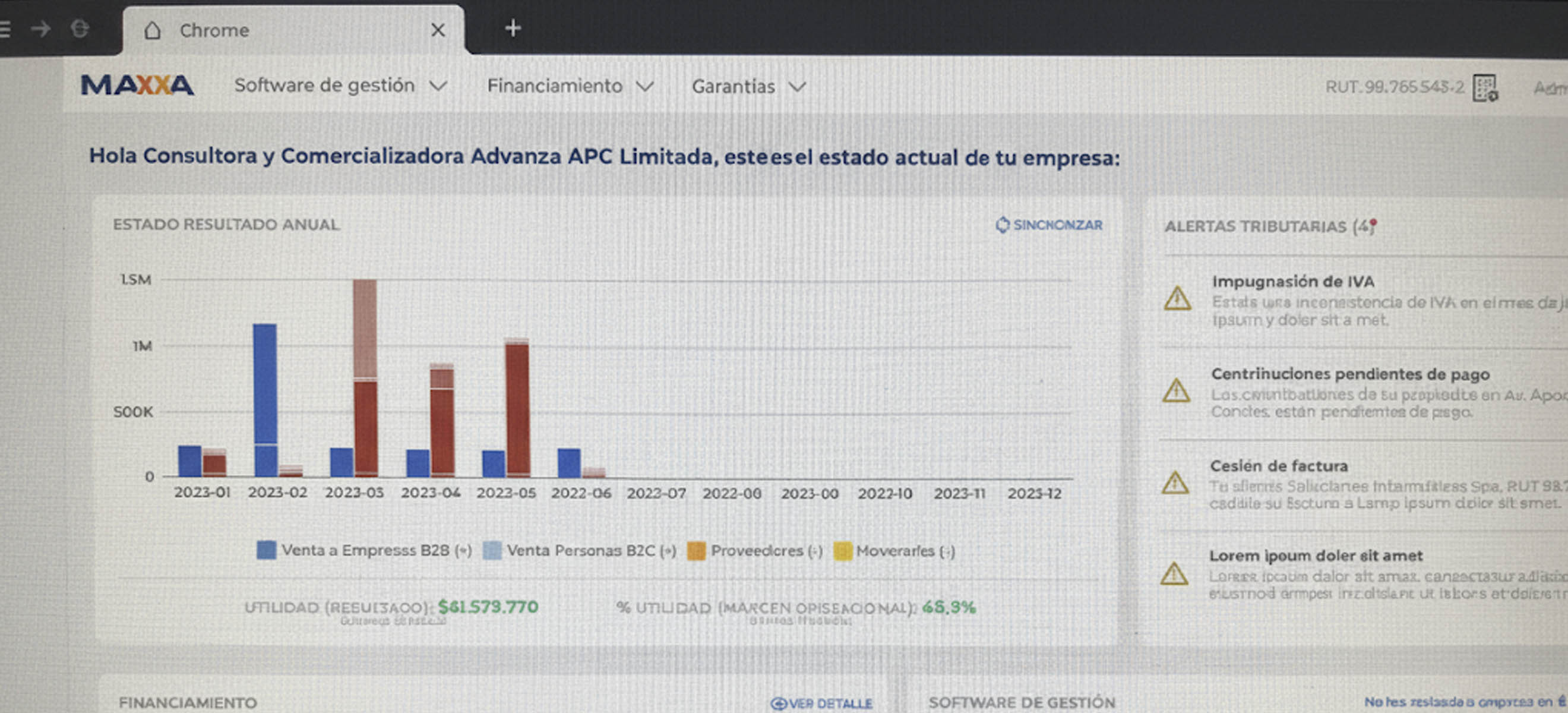
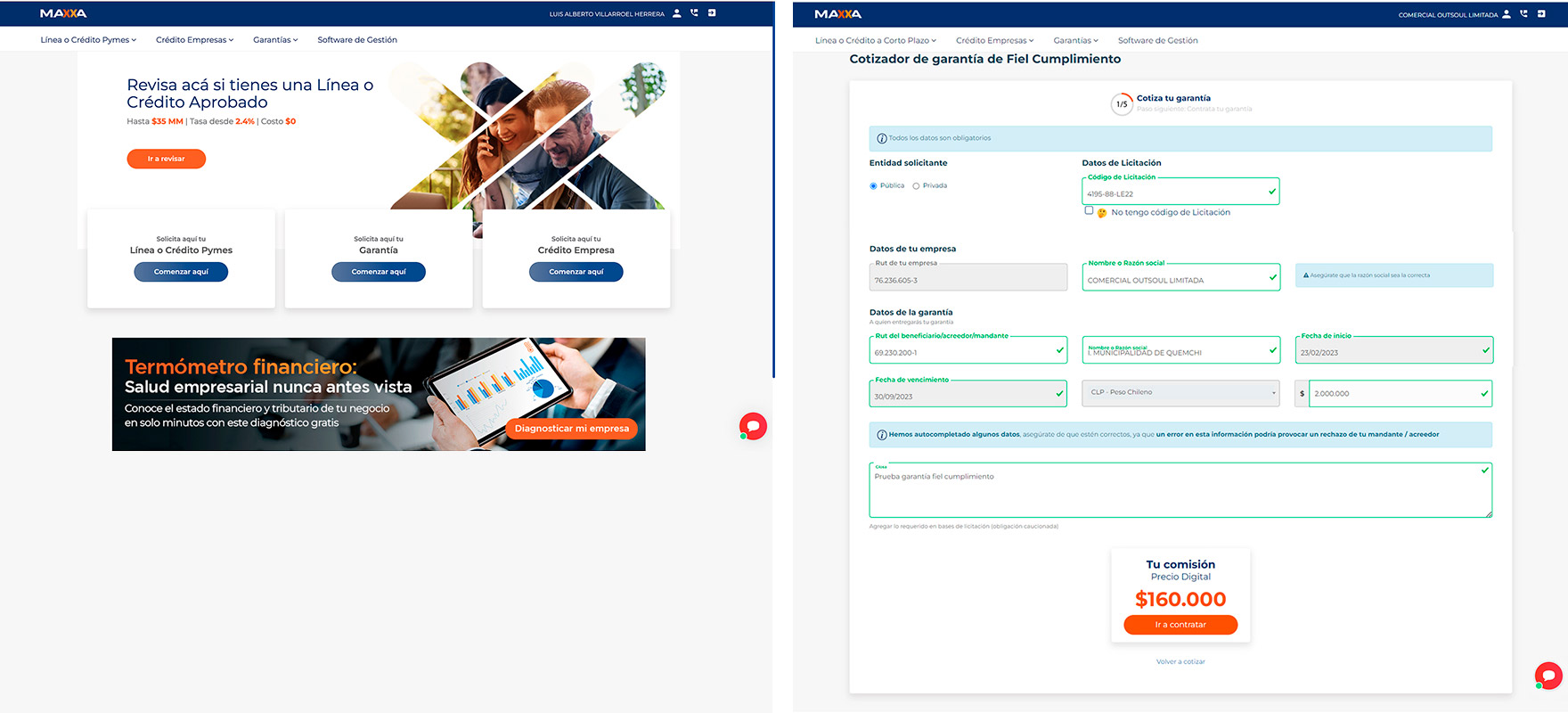
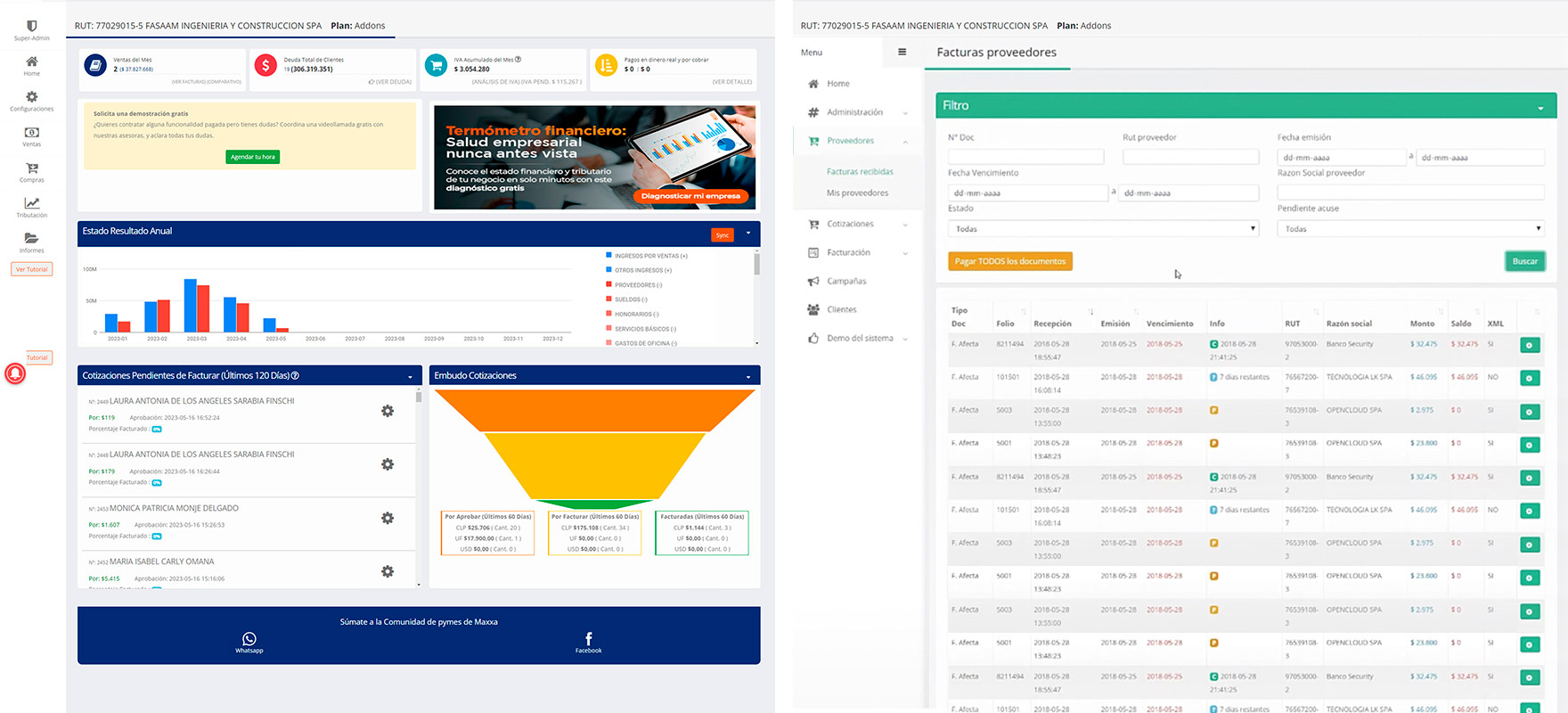
The heuristic analysis of the three platforms revealed visual inconsistencies, contradictory interaction patterns, and an information architecture that didn't reflect Maxxa's actual value proposition. Customer service feedback confirmed what the data suggested: fragmentation was generating daily friction.
Defining a "shared experience layer"
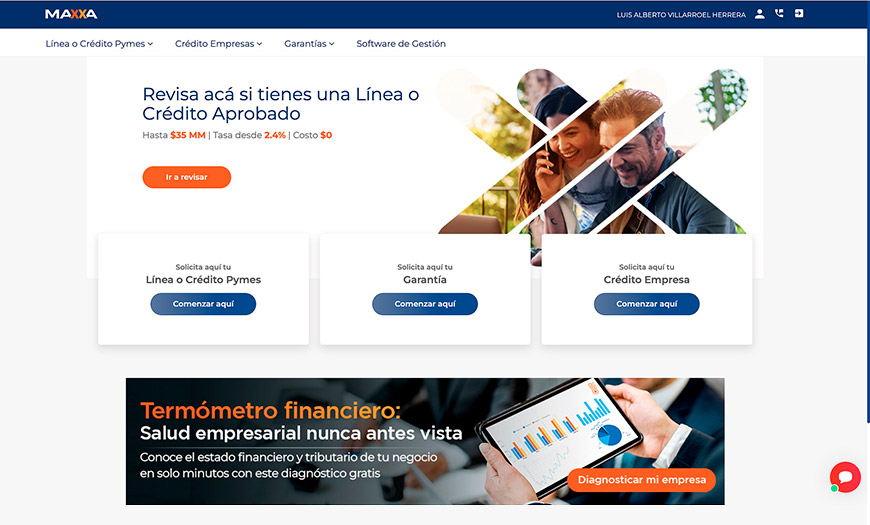
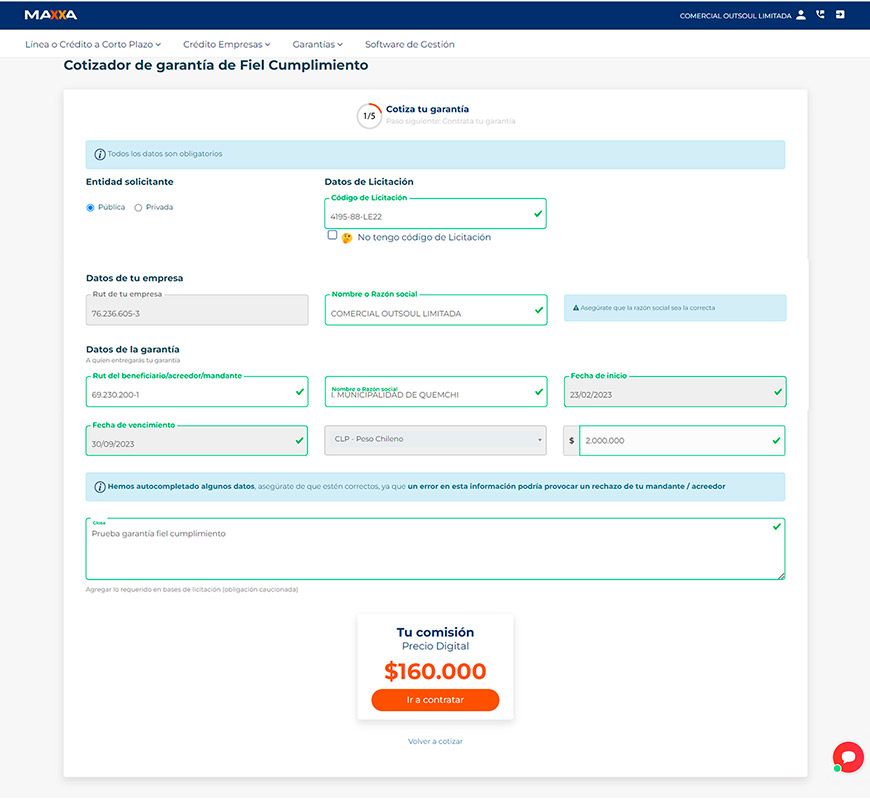
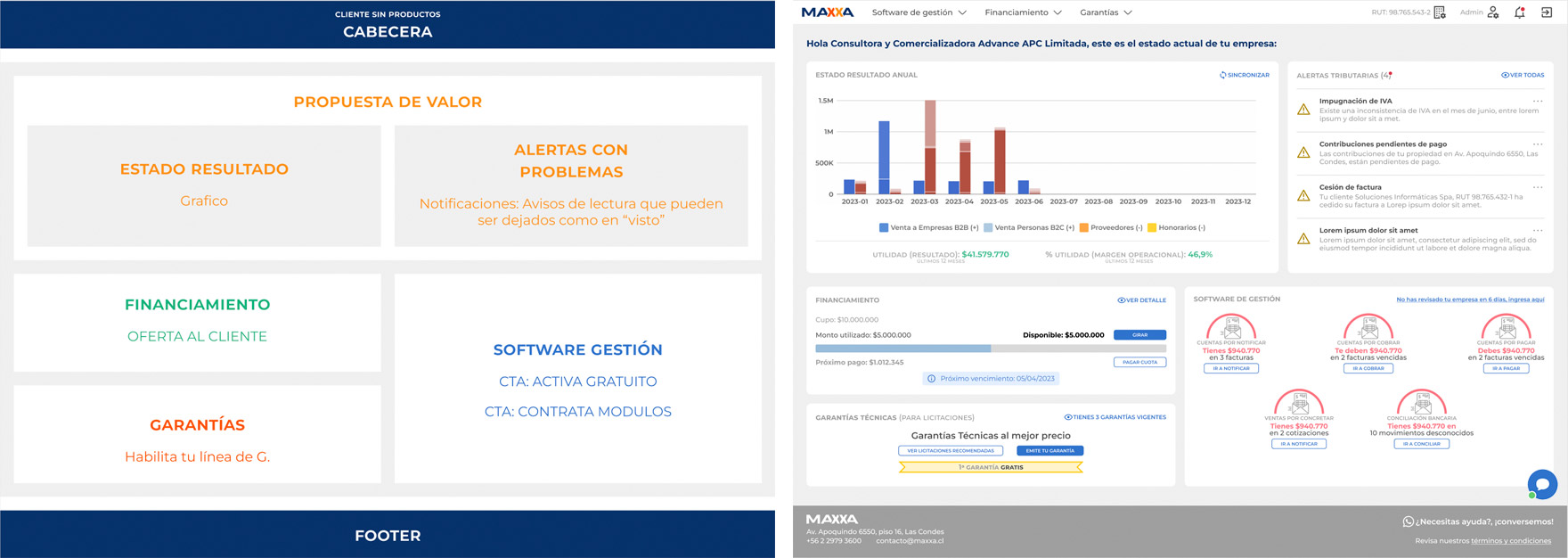
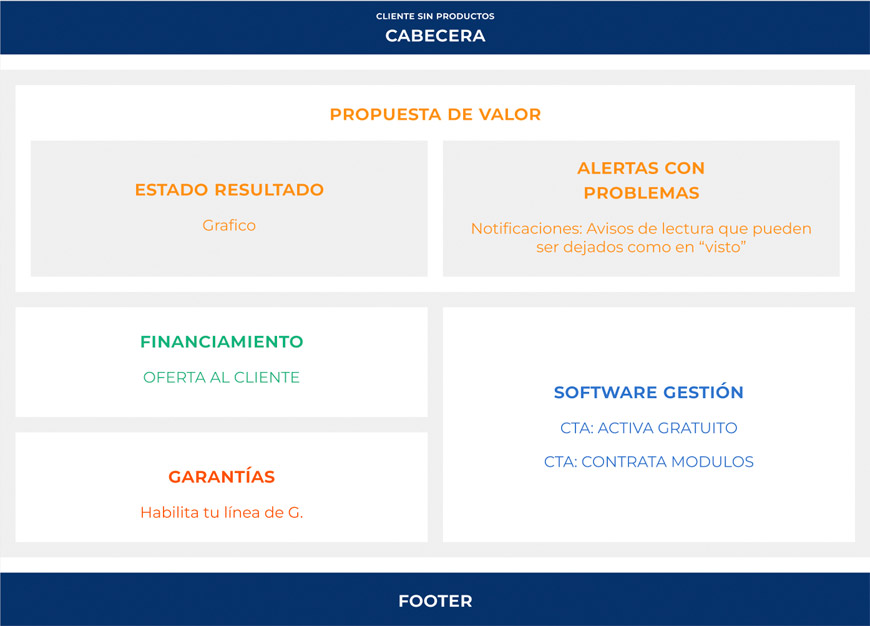
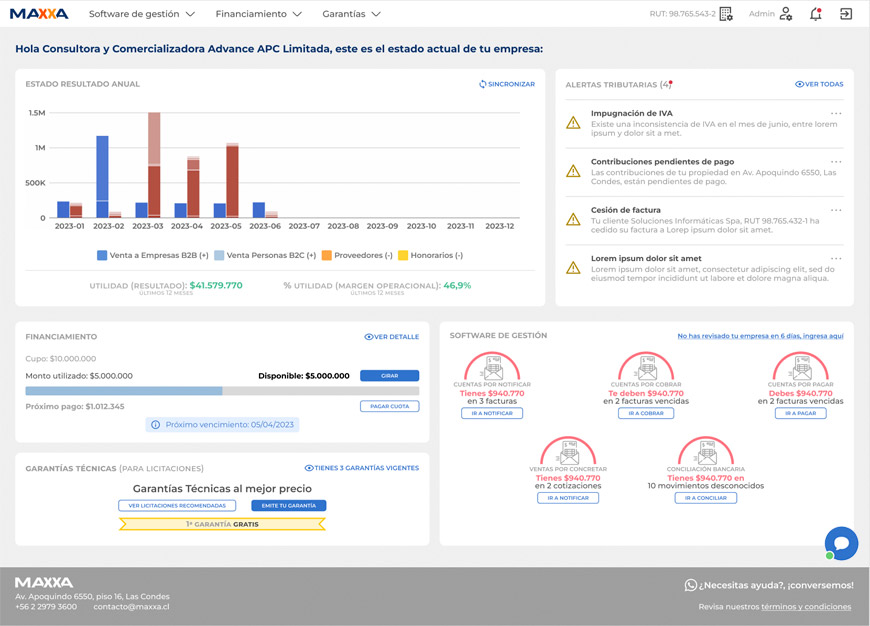
Instead of redesigning from scratch — which would have meant months of parallel development and operational risk — we proposed a cross-platform design and interaction layer. A central hub with a unified UI that served as the entry point to all three solutions. In the process, we identified an additional opportunity: overlapping the ERP membership plans across the other products, creating a model that incentivized upgrades without losing each platform's focus.
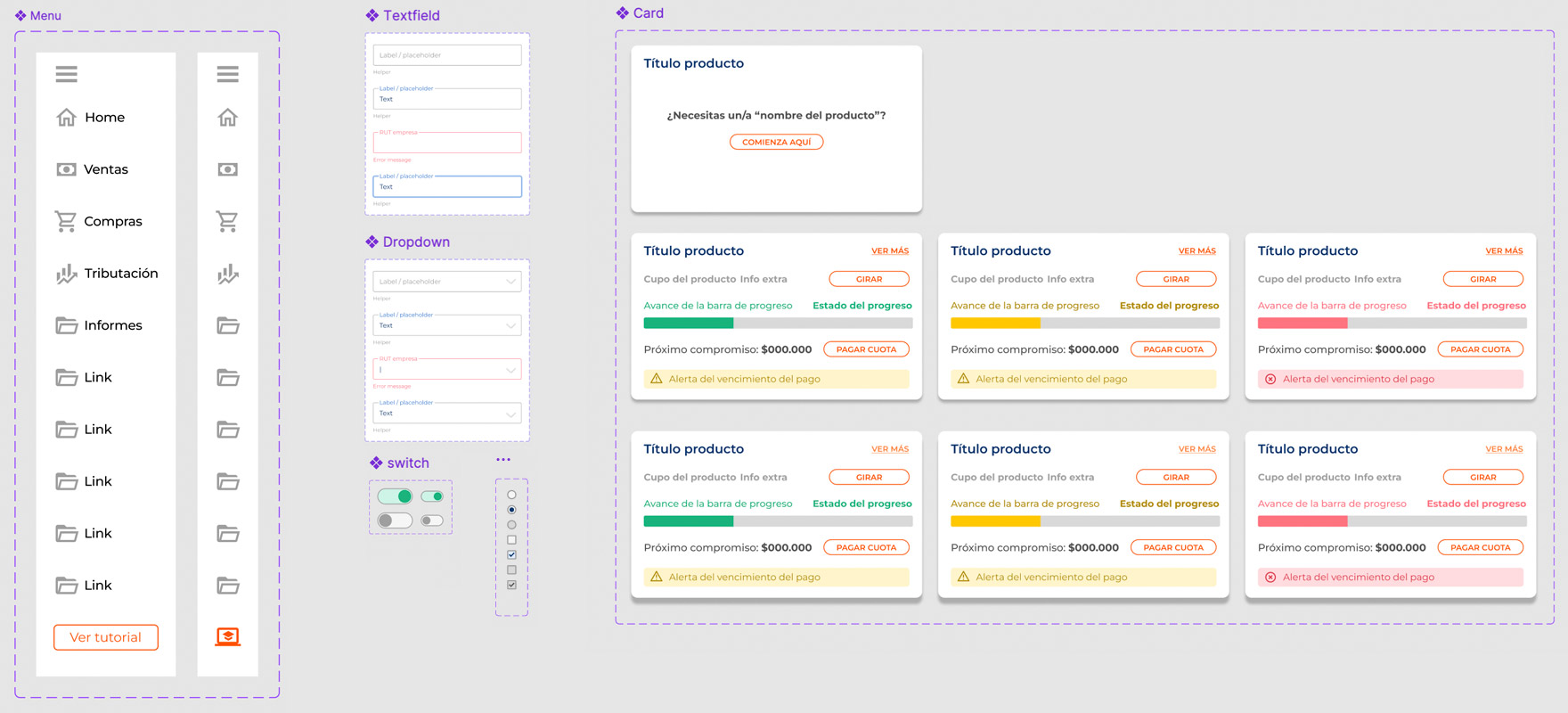
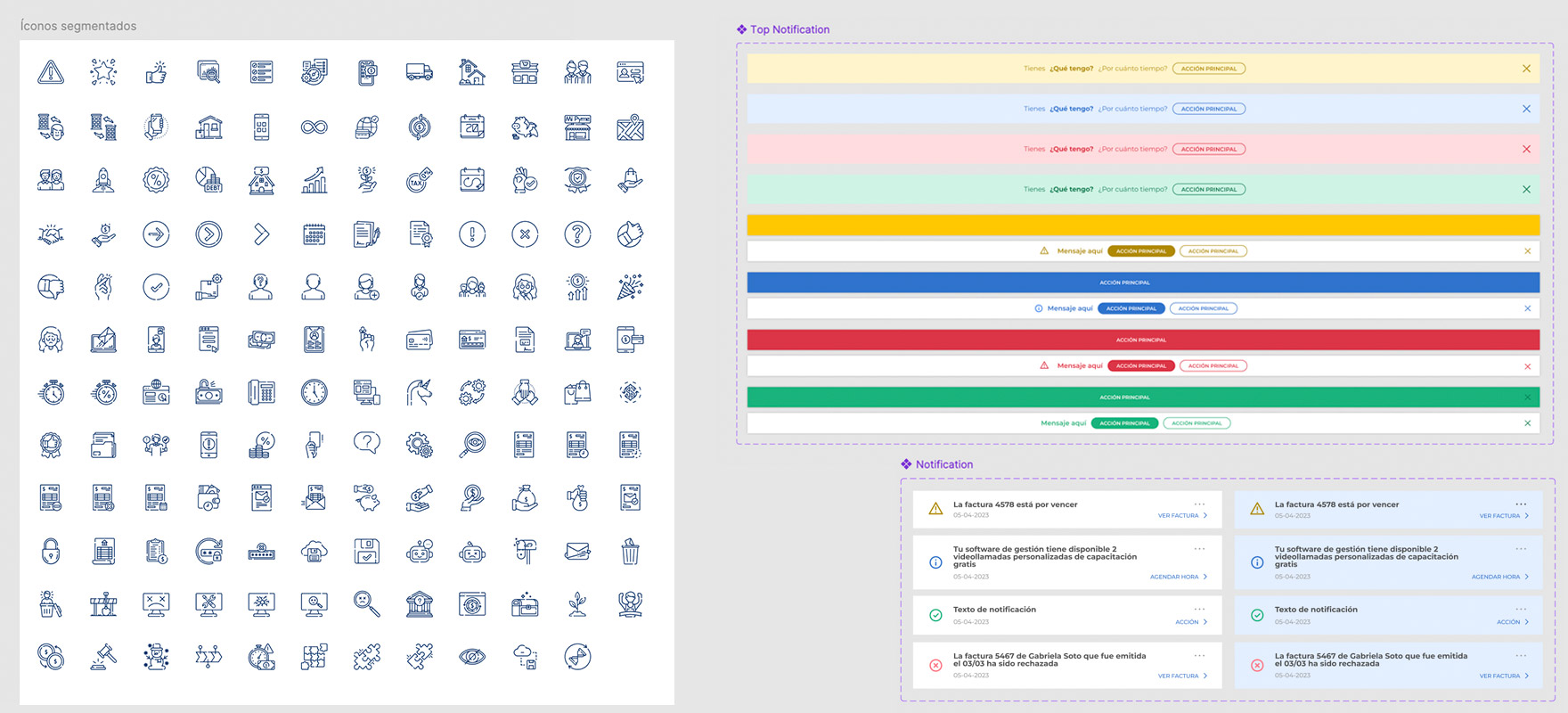
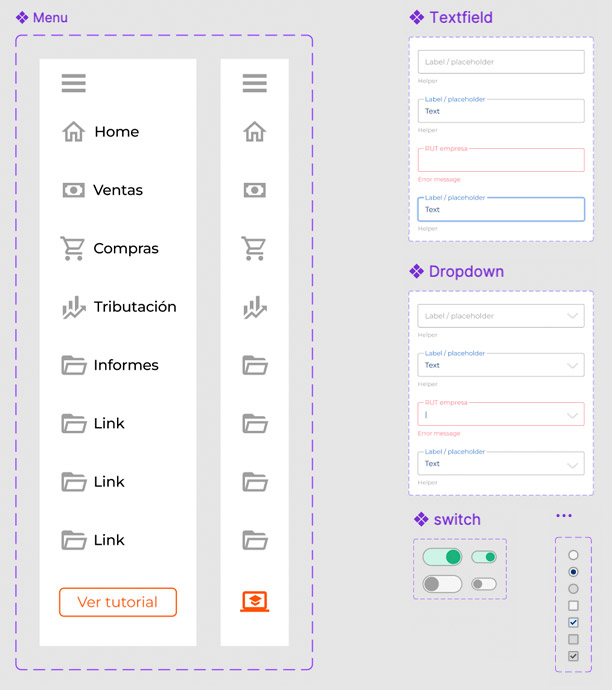
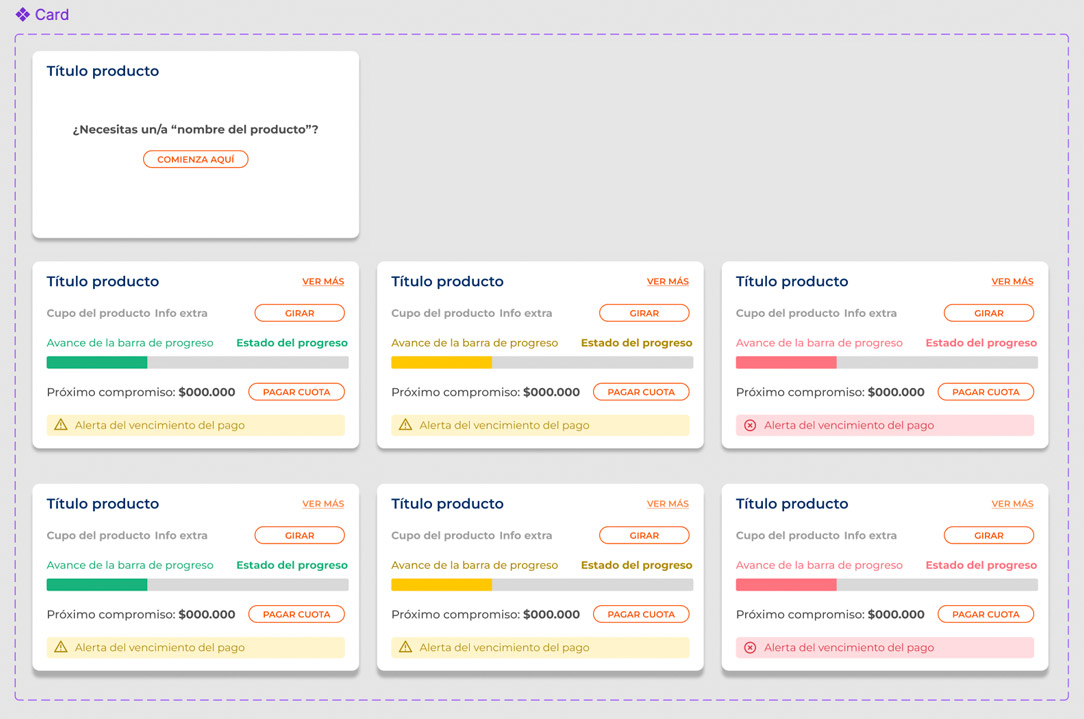
Creating a new style and Design System
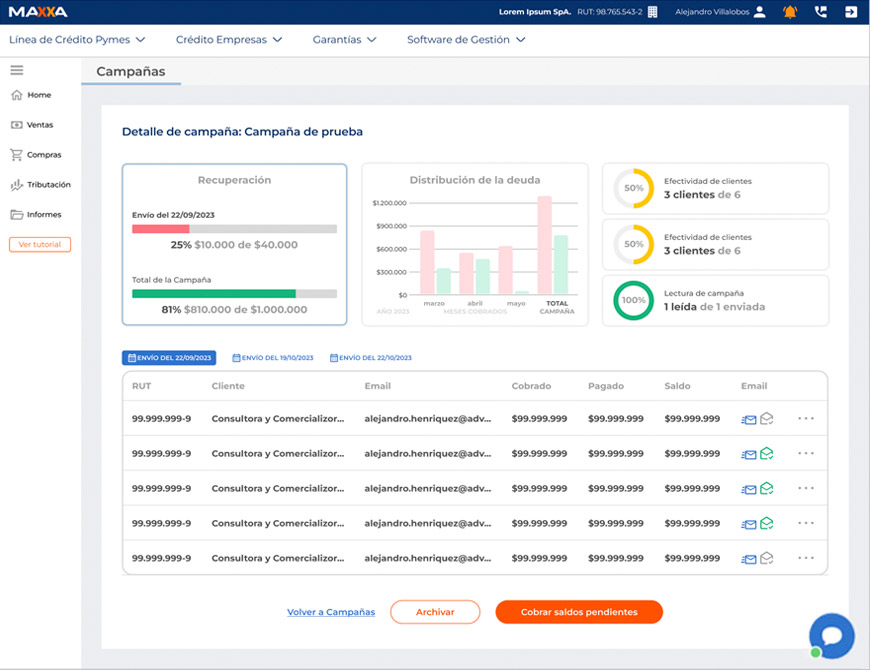
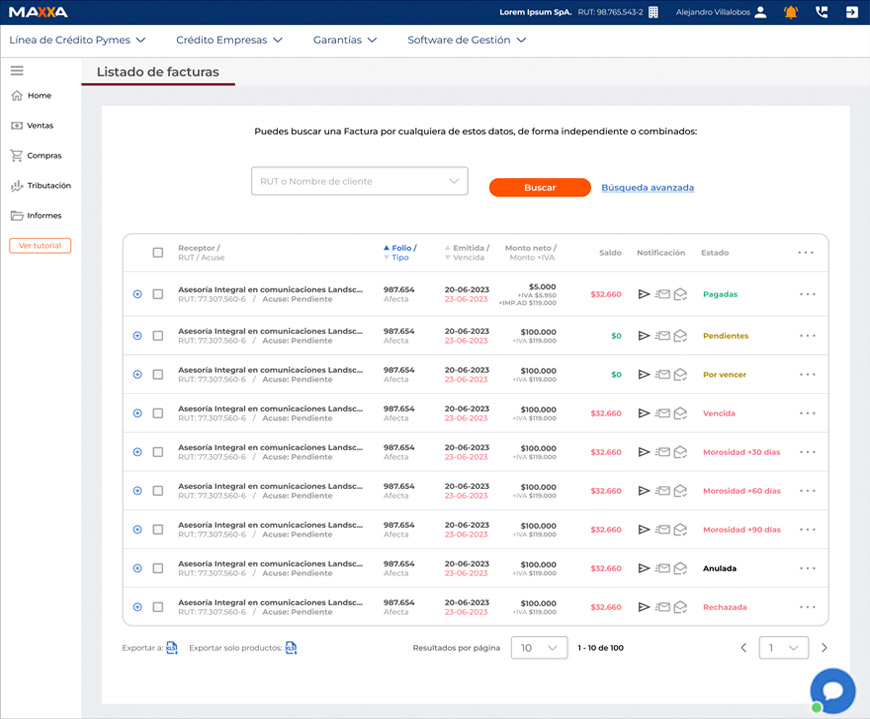
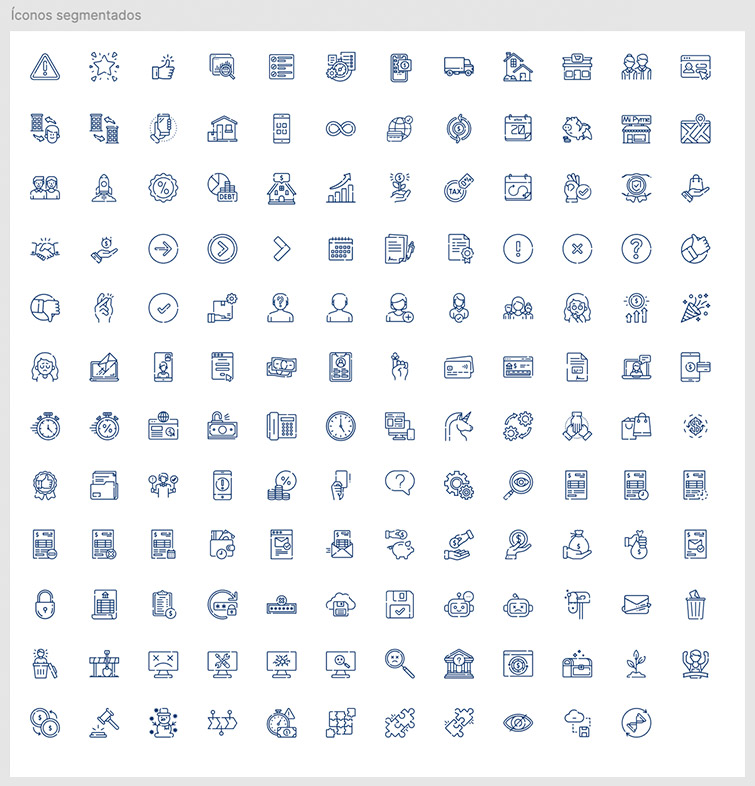
The project coincided with a slight corporate identity update led by marketing, which opened the opportunity to build a Design System from scratch, incorporating the new brand and scaling it as a living document. For an ERP with hundreds of constantly evolving screens, the DS wasn't a secondary deliverable — it was the infrastructure that made the progressive unification strategy possible.
Communication and smooth transition for users
The unification didn't happen all at once. ERP screens with the highest usage frequency and impact on daily client operations were prioritized, updating the interface in successive waves. This allowed users to experience continuous, perceptible improvement without facing abrupt changes.